

Home
Corcoran School of the Arts & Design
Programs and degrees
The NEXT Festival is now open! The NEXT exhibition will be on view from April 17 - May 16, 2024 at 500 17th Street NW, Wednesday-Sunday, 1-5pm.
Special openings and specific event times can be located in the calendar details listed on the NEXT Festival Guide.

UPCOMING EVENTS AND SHOWS
Recent News
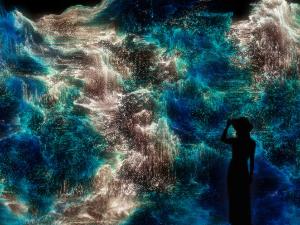
Students Present the ‘Giant Tableau’ of Arts at George Washington University
April 15, 2024
This year’s NEXT Festival promises something for everyone.
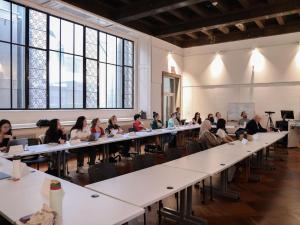
First Look: Partnership between Corcoran School and National Gallery of Art Gives Students Behind-the-Scenes Access, a “Nightmare at the Museum” and More
April 3, 2024
Workshops, Talks and a Lively Debate

The Playful, Elusive Legacy of a Great Provocateur
March 25, 2024
GW art history students learn about Marcel Duchamp while curating an exhibit showing his influence.